




Start with your menu and kitchen workflow
Different menus call for different chicken cuts. Kitchens that need fast preparation may prefer boneless fillets, while soups or larger-scale production may use whole chicken and bone-in cuts.
Before choosing a product, note your best-selling dishes, target portions, cooking methods, and receiving schedule. This helps your kitchen choose cuts that are easier to use consistently every day.
- Boneless fillets for fast, tidy portions.
- Bone-in cuts for fried, roasted, and soup-based menus.
- Whole chicken for kitchens that cut and process in-house.
Prioritize consistency as well as the cut
For hotels, restaurants, and caterers, consistent cut sizes help with food-cost planning and more predictable plating. Tell our team about your menu, quantity, location, and preferred schedule when asking about products.
Availability can change with stock conditions. Use this guide to plan your needs, then confirm products, prices, and delivery timing through WhatsApp before ordering.
Chicken Cut Comparison for Professional Kitchens
Use this table as a starting point when planning ingredients. The final choice should fit your menu and current availability.
| Chicken Cut | Characteristics | Best For |
|---|---|---|
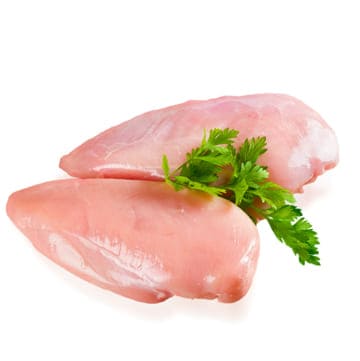
| Boneless Chicken Breast | A boneless cut that is easy to portion. | Grilling, stir-fries, salads, and chicken steak. |
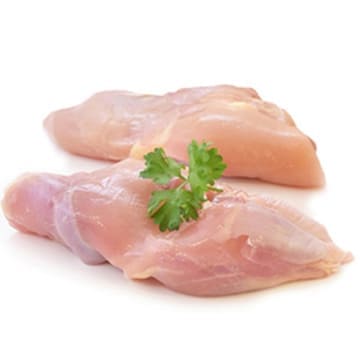 Boneless Chicken Leg | A richer cut that works well with many seasonings. | Fried chicken, roasting, and seasoned dishes. |
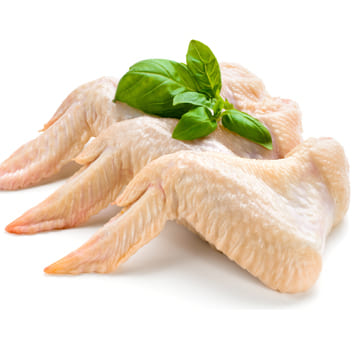 Chicken Wings | A small bone-in cut with natural savoury flavour. | Appetisers, snacks, soups, and sharing dishes. |
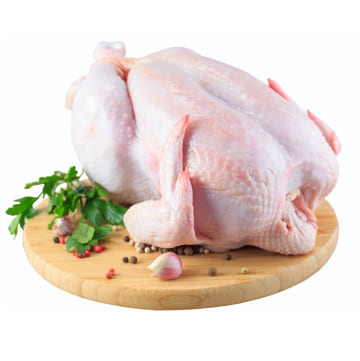 Whole Chicken | A whole bird that can be processed to suit your kitchen. | Stock, soups, in-house cutting, and high-volume preparation. |


